

Table of Contents
- Why the Australian Climate Demands Different Cooling Sheets
- Quick Comparison: Cooling Sheet Sets at a Glance
- The Best Sheets for Hot Sleepers: What Actually Works
- Cooling Cotton Sheets: Weave, Thread Count and Feel
- Sheets for Humid Weather: Managing Moisture and Night Sweats
- How to Choose Cooling Sheets: A Practical Buying Checklist
- Our Pick: Stonewashed Cotton 4-Piece Bedding Sets
- Care, Lifespan and Getting the Most From Cooling Sheets
- Frequently Asked Questions
Last Updated: October 21, 2026
Why the Australian Climate Demands Different Cooling Sheets
The answer sits in how a fabric handles heat and moisture, not in how much it costs.
Australian summers push bedroom temperatures well past the point where heavy bedding stays comfortable.
Below, we break down what actually makes sheets cool, how to match them to your climate and sleeper type, and why our stonewashed cotton set is our pick for most bedrooms.

Quick Comparison: Cooling Sheet Sets at a Glance
A quick scan of the options helps before you read the detail. The table below compares the key factors that decide whether sheets sleep cool: fibre, weave, feel and best use case.
Factor |
What to Look For |
Why It Matters |
|---|---|---|
Fibre |
100% natural cotton |
Breathes and moves moisture |
Weave |
Percale or loose stonewashed |
More airflow, less heat retention |
Feel |
Crisp or soft-washed |
Personal preference, both sleep cool |
Moisture handling |
Absorbent, quick-drying cotton |
Fewer night sweats |
Care |
Machine washable, no ironing |
Longer lifespan, less hassle |
Price |
$109 for a 4-piece set |
Value without cutting quality |
The comparison is simple: natural fibre, breathable weave, honest construction. Everything else is detail.
The Best Sheets for Hot Sleepers: What Actually Works
The best sheets for hot sleepers are breathable natural-fibre sheets with an open weave that lets air move and moisture escape. Cotton leads here because it absorbs sweat, dries reasonably fast and stays cool to the touch.
Hot sleepers tend to overthink the purchase. They chase thread count, cooling gels or fancy finishes, when the real levers are simpler:
- Fibre choice: natural cotton beats synthetic materials for breathability
- Weave: an open weave lets air pass through; a tight, glossy weave traps it
- Weight: lightweight bedding sheds heat faster than heavy quilts
- Fit: a fitted sheet with deep pockets stays smooth and avoids bunching that traps warmth
Breathability, Airflow and Heat Retention Explained
Breathability is a fabric's ability to let air pass through it. Airflow is how freely that air moves around your body. Heat retention is how much warmth the fabric holds against you.
A cooling sheet wins on the first two and loses on the third. That is why a lightweight cotton sheet can feel cool within seconds of lying down, while a dense synthetic blend feels warm almost immediately.
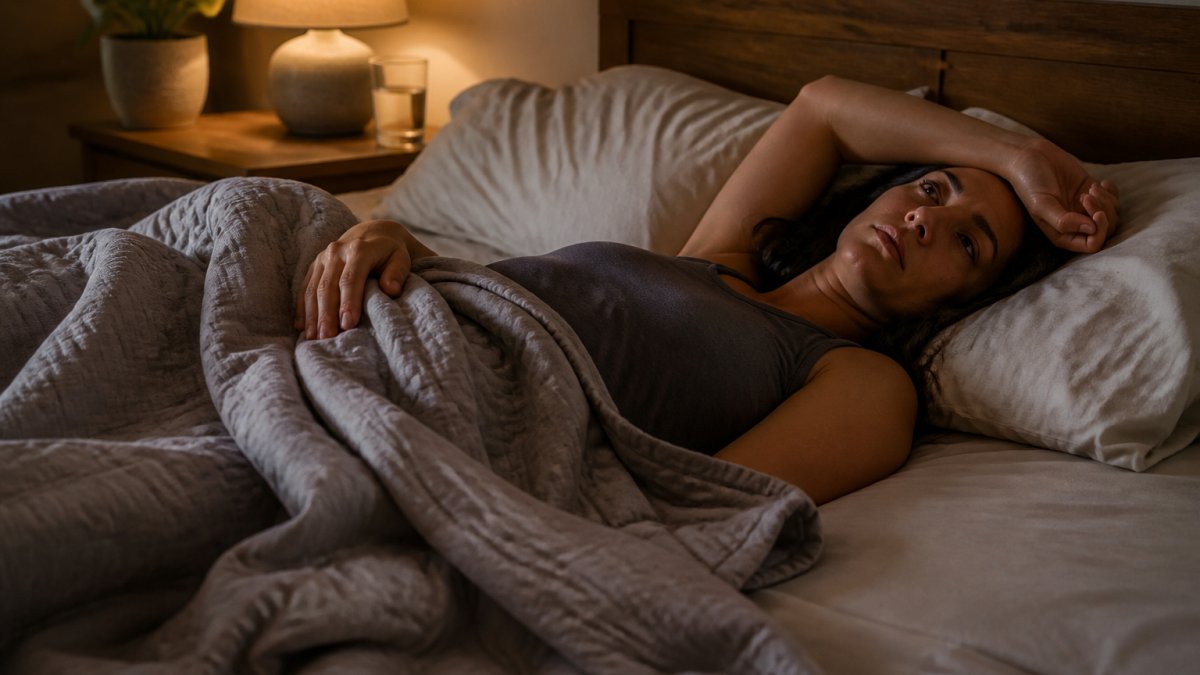
Cooling Cotton Sheets: Weave, Thread Count and Feel
Cooling cotton sheets work because cotton is naturally breathable, absorbent and soft against skin. The weave matters more than the thread count, and a moderate thread count with an open structure usually sleeps cooler than a dense, high-count sheet.
Thread count is the most misunderstood number in bedding. A very high count often means finer, more tightly packed threads, which can reduce airflow. For hot sleepers, a breathable percale or a relaxed stonewashed cotton is a smarter choice than chasing the biggest number on the label.

Percale vs Sateen: Which Weave Sleeps Cooler?
Percale sleeps cooler than sateen. Percale uses a simple one-over-one-under weave that creates a matte, crisp surface with plenty of airflow. Sateen uses a floating-thread weave that gives a smooth, silky feel but traps more warmth.
If you run hot, choose percale or a stonewashed cotton with a relaxed, pre-washed texture. Save sateen for cooler months or cool sleepers.
Sheets for Humid Weather: Managing Moisture and Night Sweats
Sheets for humid weather need to move moisture away from your skin, not just feel cool at first touch. In humid heat your body cannot evaporate sweat efficiently, so the fabric has to do more of the work: absorb moisture, spread it across the fibre surface, and let it dry. Cotton does this well because the fibre itself is absorbent and releases moisture as air moves through the weave. Synthetic blends tend to hold moisture against the skin, which is why they feel clammy within minutes on a steamy night.
The mechanism matters more than the label. Three things determine whether a sheet helps or hinders in humidity:
- Absorbency: the fibre must take moisture up rather than repel it. Natural cotton absorbs well; tightly finished or coated fabrics do not.
- Spread and dry rate: moisture needs to move away from the contact point so it can evaporate. An open weave gives it somewhere to go.
- Airflow at the skin: a sheet that clings and traps a layer of saturated air will feel wet even if the fibre is absorbent. A relaxed weave and a secure fit reduce that trapped layer.
Humid Versus Dry Heat: Why the Same Sheet Behaves Differently
Dry heat and humid heat stress the body in different ways, and the sheet has to respond to both. In dry heat, sweat evaporates quickly, so airflow alone does most of the cooling. In humid heat, the air is already close to saturation, evaporation slows, and moisture builds up on the skin.
A practical way to think about it: in dry heat, prioritise airflow and a light layer; in humid heat, prioritise absorbency and quick drying on top of airflow. Breathable natural cotton with a relaxed stonewashed finish covers both, which is why it is the safer all-round choice for a climate that swings between the two.
Stonewashed Cotton 4-Piece Bedding Set - Blue →
Managing Night Sweats Without Overcorrecting
Night sweats are made worse by bedding that traps heat and moisture, and by a room that cannot shed either. A few practical steps help:
- Choose breathable natural cotton over synthetic blends, and avoid tightly woven or glossy finishes that reduce airflow.
- Keep air moving with a fan or an open window where possible; still air is the enemy in humidity.
- Use a lighter quilt in peak summer, and consider a breathable quilt cover rather than a heavy one.
- Rotate two sets so one is always fresh and fully dry; damp sheets lose absorbency and feel colder and clammier.
- Wash sheets regularly on a gentle cycle to keep fibres clean and absorbent, detergents and softeners can coat fibres and reduce their ability to take up moisture.
How to Choose Cooling Sheets: A Practical Buying Checklist
How to choose cooling sheets comes down to matching fibre, weave and weight to your climate and how you sleep. Use the checklist below before you buy.
- Confirm the fibre is 100% natural cotton, not a synthetic blend
- Check the weave: percale or stonewashed for airflow
- Ignore inflated thread counts; prioritise breathability
- Confirm the fitted sheet has deep pockets for a secure fit
- Check the set includes quilt cover, pillowcases and fitted sheet
- Confirm it is machine washable and needs no ironing
- Compare price against lifespan, not just upfront cost
- Look for certifications where offered
Matching Sheets to Your Climate and Sleeper Type
Climate and sleeper type should drive the decision. Hot, humid nights suit lightweight, breathable cotton with a relaxed weave. Dry heat suits the same, with a focus on airflow. Cooler southern winters may call for a warmer quilt over the same breathable sheets.
Sleepers who sweat heavily should prioritise moisture-wicking cotton and a lighter quilt. Sleepers who feel the cold can keep the breathable sheets and add warmth on top. The sheet stays the same; the layers change.
Our Pick: Stonewashed Cotton 4-Piece Bedding Sets
Our pick for most bedrooms is the Stonewashed Cotton 4-Piece Bedding Set, priced at $109.
Each set includes a premium quilt cover, two matching pillowcases and a free fitted sheet with deep pockets for a smooth, secure fit.
We are a local company offering great products at a great price, and this set is the clearest example of that. It is available in Blue, White, Dusty Pink and Oat to suit most bedroom styles.
Care, Lifespan and Getting the Most From Cooling Sheets
Cooling sheets last longer and stay cooler when you wash them gently and dry them properly. Cotton is durable, but heat and harsh detergents break down fibres and reduce breathability over time.
A simple routine keeps them performing:
- Wash in cool or warm water on a gentle cycle
- Avoid bleach and fabric softener, which coat fibres and reduce absorbency
- Tumble dry low or line dry in shade
- Rotate between two sets to reduce wear
- Expect some natural shrinkage and softening over time, which is normal for cotton
Shrinkage and pilling are the two things to watch. Pre-washed stonewashed cotton has already been through a wash cycle, so shrinkage is minimised. Following the care label protects both lifespan and the cooling performance you paid for.
Frequently Asked Questions
What sheets are best for hot sleepers?
Natural fibres that breathe and move moisture away from the skin work best. Look for 100% cotton with a lightweight, breathable weave, and avoid heavy fabric blends that trap heat. Stonewashed cotton is a strong option because the pre-washing softens the fabric without adding coatings that reduce airflow. A set that includes a fitted sheet with deep pockets also keeps the bed smooth and free of bunched fabric, which helps air circulate around you through the night.
Are cotton sheets good for hot weather?
Yes. Cotton is one of the most breathable natural fibres available, which is why cooling cotton sheets suit hot weather so well. The fibre absorbs moisture from your skin and lets air pass through, so heat has somewhere to go. Weave matters as much as fibre: a crisp, open percale-style weave feels cooler to the touch than a dense, glossy finish. A lightweight cotton set used without a heavy quilt cover will keep you comfortable on most warm nights.
What sheet weave feels coolest in summer?
A plain, open weave feels coolest because air passes through it easily and it sits lightly against the skin. Crisp weaves have a dry, matte feel that stays comfortable as you move, while dense, glossy weaves reflect less heat and can feel warmer. If you are choosing cooling sheets, ask how the fabric is woven rather than relying on thread count alone. Very high thread counts can actually reduce airflow because the fabric becomes denser.
How do you choose breathable bed sheets?
Start with the fibre: 100% natural materials breathe better than synthetic blends. Then check the weave and weight, since a lightweight, open weave allows more airflow than a dense one. Ignore inflated thread count claims and look for honest fabric descriptions instead. Finally, match the set to your conditions: sheets for humid weather should prioritise moisture handling, while drier heat calls for lightweight breathability. A four-piece set with a fitted sheet, quilt cover and pillowcases covers the whole bed consistently.
How often should you wash sheets in hot weather?
In hot or humid conditions, washing sheets weekly is a sensible baseline, and every few days if you sweat heavily at night. Body oils, sweat and dust mites build up faster in warm weather, and clean fabric breathes better than soiled fabric. Stonewashed cotton handles frequent washing well and softens with each cycle. Use a gentle machine wash and line dry where possible; avoid high heat settings that can shrink or weaken natural fibres over time.
The challenge with cooling bedding is that most options promise more than they deliver, and hot sleepers pay the price in broken sleep. We built Sleepy Koala Co around natural materials that actually breathe, with stonewashed cotton bedding shipped from Melbourne and priced fairly for what you get. Explore our Stonewashed Cotton 4-Piece Bedding Sets in four colours at $109, and give your bedroom a set that stays cool through summer and comfortable all year.