

Table of Contents
- Why Sleep Quality Drops When You Overheat
- Step 1: Choose Breathable Bedding for Hot Sleepers
- Step 2: How to Keep a Bedroom Cool at Night
- Step 3: What to Wear to Bed in Hot Weather
- Step 4: How to Sleep Without Air Conditioning
- Step 5: Manage Humidity and Moisture
- Common Mistakes That Make Night Sweating Worse
- How to Keep Cool Sleeping on a Budget
- Frequently Asked Questions
Last Updated: October 19, 2026
Why Sleep Quality Drops When You Overheat
Your body temperature naturally drops as you fall asleep. When your bedroom stays too warm, your system can't cool down properly. This disrupts sleep cycles and leaves you waking at 3am drenched in sweat.
The problem isn't just discomfort. Overheating triggers micro-awakenings that fragment your sleep. You might not remember waking, but your sleep quality suffers. You feel exhausted the next day even though you spent eight hours in bed.
How to keep cool sleeping in Australia starts with understanding this basic biology. Your bedroom environment matters more than most people realise.
Step 1: Choose Breathable Bedding for Hot Sleepers
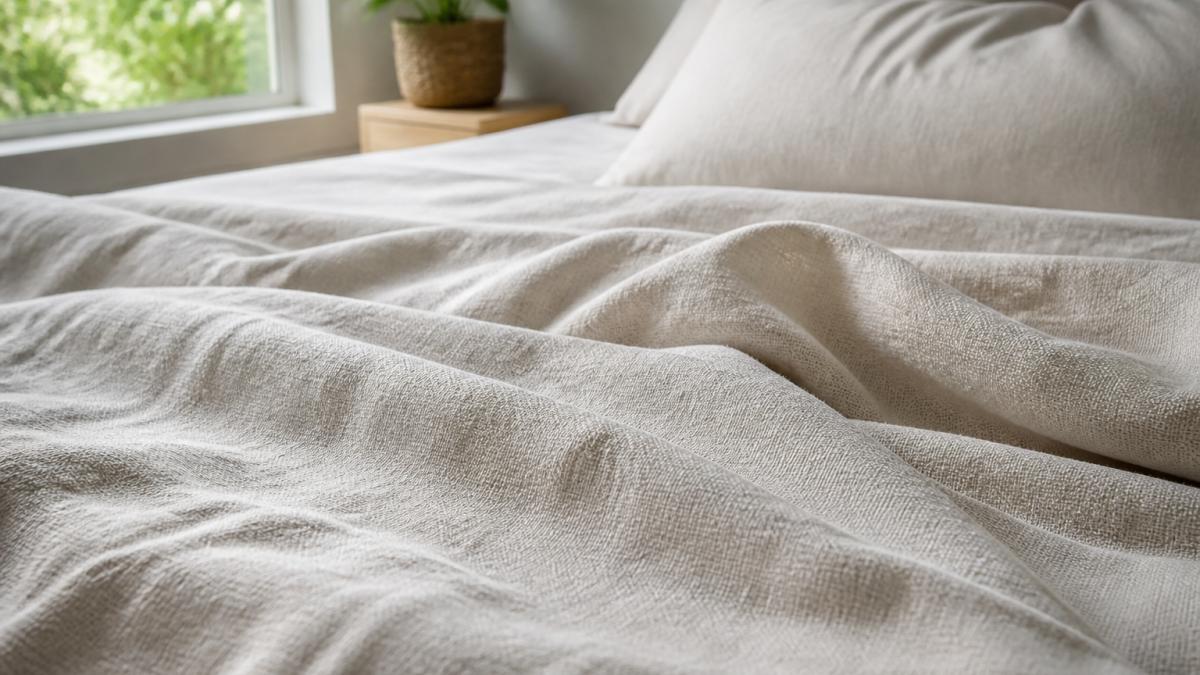
The foundation of staying cool at night is your bedding. Breathable sheets and a lightweight quilt make an enormous difference. They allow air to move through the fabric instead of trapping heat against your skin.
What to Look for in Bedding Material
Natural fibres breathe better than synthetics. Cotton absorbs moisture and releases it quickly. Stonewashed cotton works particularly well, the pre-washing softens the fibres and improves airflow through the weave.
Our Stonewashed Cotton 4-Piece Bedding Set comes in multiple colours and costs $109.00. It includes a quilt cover, two pillowcases, and a fitted sheet. The stonewashed finish means it arrives soft and ready to use, no break-in period needed.

Weight and Layering Matter
A heavy quilt is your enemy in summer. Switch to a lightweight doona or a cotton sheet layer instead. Many hot sleepers find they sleep better with just a sheet, even in cooler months.
Start with one layer and add more only if you get cold. Most people discover they need less bedding than they think once they switch to breathable fabrics.
Step 2: How to Keep a Bedroom Cool at Night
Your bedroom environment controls your sleep quality as much as your bedding does. Two factors matter most: airflow and blocking daytime heat.
Manage Airflow and Ventilation
Open windows early in the morning and late in the evening when outdoor air is cool. Close them during the hottest part of the day.
A fan is one of the cheapest cooling tools available.
If you have air conditioning, set it to a lower temperature an hour before bed. Let your room cool down before you try to sleep.
Cross-ventilation works best. Open windows on opposite sides of your room to create airflow. If your bedroom has only one window, a fan becomes even more important.
Block Heat During the Day
Close curtains and blinds during daylight hours. Heat builds up inside your room all day, then radiates back at night. Blocking sunlight prevents that buildup from happening in the first place.
Heavy, dark curtains work best. They reflect more heat than light fabric. If you don't have thermal curtains, even closing regular curtains helps significantly.
Consider your window direction. East-facing windows get morning sun. West-facing windows get intense afternoon heat. Plan your curtain strategy around which windows heat your room most.
Step 3: What to Wear to Bed in Hot Weather
Your sleepwear matters as much as your bedding. Loose, lightweight clothing allows air to move across your skin. Tight fabric traps heat and moisture.
Choose natural materials like pure cotton. Cotton pyjamas breathe better than synthetics and wick moisture away from your body. Look for loose fits rather than fitted styles.
Many hot sleepers prefer sleeping in just underwear or light shorts. There's no rule that says you must wear full pyjamas. Wear whatever lets you stay cool and comfortable.
Light colours reflect heat better than dark ones. A white or neutral-coloured cotton shirt stays cooler than a dark one made from the same fabric.
Step 4: How to Sleep Without Air Conditioning
Not everyone has air conditioning, and not everyone wants to rely on it. There are effective ways to stay cool without it.
Use a Fan Effectively
A ceiling fan or portable fan creates air movement that helps you feel cooler. Position it to push air across your body rather than blowing directly at you. Many people find the air circulation helps them fall asleep faster.
Fans use far less energy than air conditioning. They also create white noise that masks other sounds and promotes deeper sleep.
Cool Your Body Before Bed
A lukewarm shower an hour before bed helps. Your body temperature drops after the shower, signalling sleep time. Avoid cold showers, they shock your system and can keep you awake.
Soak your feet in cool water for five minutes. Your feet have lots of blood vessels near the skin. Cooling them helps your whole body temperature drop.
Stonewashed Cotton 4-Piece Bedding Set - Blue →
Wet a washcloth with cool water and place it on your forehead or neck. These areas release heat efficiently. A cool cloth here helps your body cool down faster.
Stay Hydrated Throughout the Day
Drink water consistently throughout the day, not just before bed. Dehydration makes your body work harder to regulate temperature. A well-hydrated body cools itself more efficiently.
Keep water beside your bed. You might wake up thirsty on hot nights. Having water within reach helps you rehydrate quickly and fall back asleep.
Avoid alcohol and caffeine in the evening. Both interfere with your body's temperature regulation and disrupt sleep quality.
Step 5: Manage Humidity and Moisture
Humidity is the variable most hot sleepers overlook, and it changes which cooling strategies actually work. Two nights at the same thermometer reading can feel completely different depending on how much moisture is in the air.
Dry Heat vs Humid Heat
In dry heat, sweat evaporates quickly and carries heat away from your skin. That is why a fan works so well inland: moving air accelerates evaporation and you feel cooler even though the air temperature hasn't changed. In humid heat, the air is already close to saturated, so sweat sits on your skin instead of evaporating.
A common pattern is that coastal households get more relief from dehumidification and cross-ventilation, while inland households get more relief from shade, fans, and evaporative cooling. If you are unsure which situation you are in, a cheap hygrometer (a small humidity meter) takes the guesswork out of it.
Practical Humidity Strategies
- Ventilate when outdoor humidity is lower. Early morning is usually the least humid window in most regions. Open windows then, and close them once the air turns muggy.
- Use exhaust fans. Running the bathroom exhaust fan for 15-20 minutes after a shower pulls moisture out of the air before it spreads through the bedroom.
- Avoid adding moisture at night. Hang washing outside rather than indoors, and skip the humidifier if you use one.
- Consider a dehumidifier if your room stays consistently damp. It removes moisture so your body can cool itself through evaporation again. Run it earlier in the evening so the room is drier before bed.
- Choose moisture-wicking natural bedding. Cotton absorbs sweat and releases it into the air rather than holding it against your skin. Our stonewashed cotton bedding is woven to let air move through, which helps in both dry and humid conditions.
What to Do If You Wake Up Drenched
Keep a spare pillowcase and top sheet within reach. Changing damp bedding mid-night helps you fall back asleep faster than lying on wet fabric. A quick wipe of your neck and forehead with a cool, damp cloth also helps reset your body temperature.
Common Mistakes That Make Night Sweating Worse
Many hot sleepers accidentally make their situation worse. Here are the most common mistakes to avoid.
Using heavy quilts or doonas traps heat.
Closing windows and curtains all day lets heat build up.
Wearing tight synthetic pyjamas prevents air circulation. Loose cotton clothing works much better.
Drinking alcohol before bed disrupts temperature regulation.
Exercising close to bedtime raises your core temperature. Work out in the morning or early afternoon instead.
Keeping your bedroom door closed traps hot air. Open it to allow air circulation through your home.
Using a pillow that doesn't breathe traps heat around your head.
How to Keep Cool Sleeping on a Budget
You don't need expensive equipment to stay cool. Many solutions cost nothing.
Strategy |
Cost |
Impact |
Effort |
|---|---|---|---|
Open windows at night |
Free |
High |
Minimal |
Close curtains during day |
Free |
High |
Minimal |
Use a fan |
Low |
High |
Minimal |
Wear cotton pyjamas |
Low |
High |
Minimal |
Switch to breathable sheets |
Medium |
Very high |
Minimal |
Take a cool shower before bed |
Free |
Medium |
Minimal |
Drink water regularly |
Free |
Medium |
Minimal |
Start with free strategies. Open your windows and close your curtains. Use a fan if you have one. These cost nothing and make a real difference.
When you're ready to invest, prioritise bedding. Quality breathable sheets transform your sleep more than any other single purchase.
The set comes in four colours: Blue, White, Dusty Pink, and Oat. Choose the colour that matches your bedroom. The stonewashed finish means the bedding arrives soft and ready to use immediately.
Overheating at night doesn't have to be permanent. Sleepy Koala Co offers premium stonewashed cotton bedding designed specifically for hot sleepers. Get started with our Stonewashed Cotton 4-Piece Bedding Set and experience cooler, more restful nights.

Frequently Asked Questions
What's the best way to keep cool sleeping without spending a lot of money?
Start with breathable cotton bedding and lightweight layers instead of heavy quilts. Open windows early morning and late evening when outdoor air is cooler, then close curtains during the day to block heat. Use a fan to circulate air around your room. Wear light, loose-fitting sleepwear made from natural fibres. These low-cost steps often make the biggest difference in how cool you sleep. Investing in quality cotton bedding can be a good choice.
How does breathable bedding actually help you stay cool at night?
Breathable bedding allows moisture and body heat to escape rather than trap it against your skin. Cotton naturally wicks moisture away, preventing that clammy feeling that wakes you up drenched in sweat. The weave structure lets air flow through the fabric, which is why lightweight cotton sheets feel cooler than dense synthetic materials. When you're sleeping hot, every bit of air circulation matters. Stonewashed cotton bedding, for example, is pre-washed to enhance softness and breathability, making it ideal for hot sleepers.
Should I open or close my windows to keep a bedroom cool at night?
Open windows early in the morning and late evening when outdoor air is cooler than your bedroom. Close them during the day, especially if sunlight is streaming in, to trap the cool air and block heat buildup. In hot climates, close windows and curtains before the sun rises to prevent your room from heating up. If overnight temperatures stay warm, keep windows open for air circulation, but use curtains or blinds to filter direct sunlight. The key is timing: capture cool air when available and block heat during peak sun hours.
What should I wear to bed if I'm a hot sleeper?
Wear loose-fitting, lightweight sleepwear made from natural fibres like cotton. Avoid heavy fabrics, tight fits, and synthetics that trap heat and prevent moisture from escaping. Many hot sleepers find that wearing minimal clothing or just underwear works best, but if you prefer pyjamas, choose breathable cotton options. Light colours also help because they absorb less heat than dark fabrics. The goal is clothing that moves with you and doesn't create a barrier between your skin and the cooler air around you.