

Last Updated: November 1, 2026
Quick Summary
Stopping waking up sweaty usually starts with cooling your bedroom and lightening your bedding, since trapped heat is the most common cause. Keep the room cooler than the rest of the house, run a fan on low all night, and switch to breathable cotton bedding and sleepwear. If sweating continues in a cool room with light bedding, treat it as a symptom to investigate with a doctor.
- Run a fan on low all night, pointed near but not at you.
- Pure cotton sleepwear lets heat and moisture pass through, unlike synthetic fabrics.
- Cut alcohol within three hours of bed and keep coffee to the morning.
- See a doctor if sweating happens most nights for more than two to three weeks.
- Keep a two-week symptom diary tracking room temperature, bedding and habits.
Table of Contents
- Why You Keep Waking Up Sweaty
- Common Night Sweats Causes to Rule Out First
- How to Keep Cool While Sleeping: Room and Bedding Fixes
- Foods That Trigger Night Sweats and Other Bedtime Habits
- Night Sweats: When to See a Doctor
- Build a Cooler Sleep Setup with Sleepy Koala Co
- Frequently Asked Questions
Why You Keep Waking Up Sweaty
Waking up sweaty is your body's way of shedding heat it couldn't lose during the night. It happens when your bedroom, bedding or bedtime habits trap warmth against your skin.
The good news: most cases come down to a handful of fixable things. The trick is working out which one applies to you.
- Is your room too warm or too still?
- Is your bedding too heavy for the season?
- Are you wearing sleepwear that holds moisture?
Answer those four and you're most of the way there.
Common Night Sweats Causes to Rule Out First
Night sweats causes fall into two groups: environmental and medical. Most people land in the first group. A warm room, a thick quilt and synthetic sleepwear will leave anyone damp by morning, no matter how healthy they are. The trick is to work through the likely causes in order of how easy they are to fix, so you are not buying new bedding when the real issue is a late espresso.
Start with the cheap, reversible causes
Before you spend anything, run this two-week test. Change one variable at a time so you can actually tell what worked.
- Room temperature and airflow. A still, warm room is the most common culprit. Aim for a cooler bedroom than the rest of the house and keep air moving overnight.
- Bedding weight. A heavy quilt in a warm bedroom traps heat all night. Swap to a lighter weight for the season before assuming anything medical.
- Sleepwear fabric. Synthetic fabrics hold sweat against your skin. Pure cotton lets heat and moisture pass through.
- Alcohol. A nightcap can bring on sweating a few hours later as your body processes it. Remove it for two weeks and note the difference.
- Caffeine and tobacco. Both push your system harder and can disturb temperature control. Keep coffee to the morning and avoid nicotine close to bed.
- Spicy or heavy late meals. Some people sweat more after a hot, late meal. Try finishing dinner earlier and see whether it changes.
If those six changes make no difference after two weeks, the cause is more likely to sit in the second group.
Then look at the medical and hormonal causes
These are the ones a doctor should help you assess. Do not self-diagnose from a list, but do bring notes.
- Medication side effects. Some medicines list sweating as a known effect. Never stop or change a prescription on your own, ask your pharmacist or GP whether sweating is associated with what you take.
- Hormonal changes. Menopause and perimenopause are well-known triggers, but hormonal shifts can occur at other life stages too, including pregnancy and after illness.
- Infection or fever. Night sweats often accompany flu, fevers and other infections, and usually settle once the illness passes.
According to healthdirect Australia's guidance on night sweats, persistent night sweats can point to infection, hormonal changes, medication side effects or another underlying condition worth checking. The next section covers the practical fixes; the section after that covers when to book an appointment.
How to Keep Cool While Sleeping: Room and Bedding Fixes
Learning how to keep cool while sleeping comes down to two jobs: move heat away from your body, and stop your bedding from holding it in.
Set the Room Temperature and Ventilation
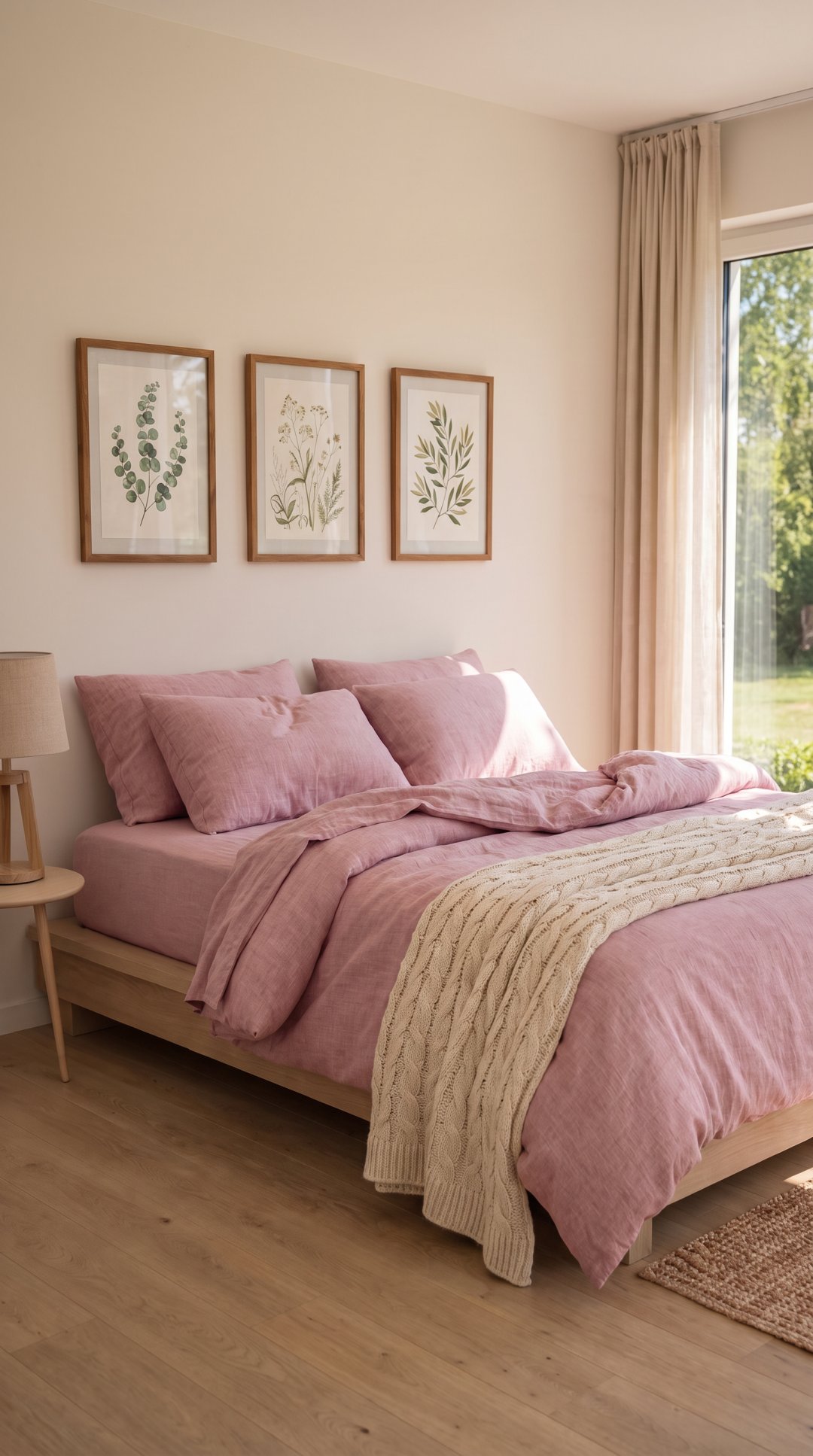
Start with airflow, because it's free. Open a window before bed to flush out trapped warm air. A fan moving air across the room helps sweat evaporate faster, which is what actually cools you.
- Keep the room cooler than the rest of the house.
- Run a fan on low all night, pointed near but not at you.
- Close blinds during the day to stop the room baking.
Choose Breathable Bedding and Sleepwear
This is where most people overspend on the wrong thing. Breathable bedding means natural fibres that let moisture and heat pass through. Cotton does this well.
A thin duvet or a lightweight quilt suits warm bedrooms far better than a thick winter one. If you want to go deeper on picking the right weight, our guide on how to choose lightweight quilts for warm homes walks through it step by step.
Sleepwear matters just as much. If you sweat heavily at night, cotton pyjamas for humid nights explain why cotton beats synthetic blends when the air is thick.
For more tactics beyond the bedroom, see our guide on how to keep cool sleeping with seven natural steps.
Men's Pyjama Pants - Blue White Chequered →
Foods That Trigger Night Sweats and Other Bedtime Habits
Foods that trigger night sweats are usually the ones that raise your body temperature or disrupt sleep. Spicy dishes, heavy late meals and hot drinks close to bedtime all count.
Alcohol is the big one. Caffeine and tobacco push your system harder too, so keep both well away from bedtime.
Try this for two weeks and note what changes:
- No alcohol within three hours of bed
- Last coffee before mid-afternoon
- No spicy or heavy meal after 8pm
A good bottle on your desk can make staying hydrated easier than remembering to refill a glass.
Night Sweats: When to See a Doctor
Night sweats when to see a doctor is a simpler question than most people think, but it helps to split it into two buckets: routine follow-up and prompt attention.
Book a routine appointment if...
- The sweating happens most nights and has done for more than two to three weeks.
- You regularly wake with sheets or sleepwear soaked through, not just slightly damp.
- Cooling the room and lightening the bedding has made no difference.
Seek prompt medical attention if...
- Night sweats come with fever, chills or flu-like symptoms that are not settling.
- You have unexplained weight loss alongside the sweating.
- You feel persistently tired, breathless or unwell in ways that are new for you.
The Royal Australian College of General Practitioners notes that persistent symptoms deserve proper assessment rather than guesswork. A short symptom diary makes that appointment far more useful, because it separates a hot bedroom from a recurring pattern.
Keep a symptom diary for two weeks
| What to track | Why it helps |
|---|---|
| Nights affected per week | Shows whether it is persistent or occasional |
| Time you wake and how soaked you are | Distinguishes mild dampness from drenching |
| Room temperature and airflow | Rules out environment first |
| Bedding weight and sleepwear fabric | Spots simple fixes |
| Alcohol, caffeine, spicy food, late meals | Links habits to symptoms |
| New medicines and start dates | Flags possible side effects |
| Other symptoms (fever, weight change, fatigue) | Helps the GP assess urgency |
Bring the diary to your visit and mention anything that changed around the same time the sweats began. That single page of notes does more for a diagnosis than any amount of guessing at home.
Build a Cooler Sleep Setup with Sleepy Koala Co
Fixing your sleep setup is the part you can act on tonight. We're a local company offering great products at a great price, made from natural materials chosen for comfort.
Start with the Stonewashed Cotton 4-Piece Bedding Set in Blue.

Then swap the sleepwear. Our Men's Pyjama Pants in Blue White Chequered are pure cotton, with side pockets and an adjustable drawstring waist.

Frequently Asked Questions
Why do I wake up so sweaty even when the room feels cool?
Waking up sweaty can happen even in a cool room because your body temperature naturally dips and rises through the night. A thick duvet, synthetic sleepwear or a warm mattress topper can trap heat close to your skin. Hormonal changes, some medications, alcohol before bed and low blood sugar can also trigger sweating. Try lighter bedding, breathable cotton sleepwear and a slightly cooler room first, then track whether the sweating continues.
What foods and drinks trigger night sweats?
Spicy foods, caffeine and alcohol are the most common triggers. Caffeine and alcohol are commonly reported as triggers for sweating at night. Large, heavy meals close to bedtime can also make your body work harder to digest, which raises heat output. Try cutting these out for a week and note any change in how often you wake up sweaty.
Can bedding or pyjamas make night sweating worse?
Yes. Synthetic fabrics and heavy quilts trap heat and moisture against your skin, so you wake up damp. Breathable cotton bedding and light cotton pyjamas let air move and wick moisture away. A thinner duvet, or just a sheet on warmer nights, helps too. Sleepy Koala Co's stonewashed cotton bedding sets and pure cotton pyjama pants are made from natural materials.
When should I see a doctor about night sweats?
See a doctor if you wake up drenched often, if the sweating soaks your bedding or clothing, or if it comes with fever, unexplained weight loss, persistent cough or fatigue. Night sweats can be linked to infection, hormonal changes, medication side effects or an underlying condition. Keep a simple symptom diary of what you ate, drank and wore, and bring it to your appointment to help your doctor narrow down the cause.
Most people fight sweaty nights with the air conditioner and nothing else. The better move is fixing the layer closest to your skin. Get the bedding and sleepwear right and you'll notice the difference within a week. Get started with Sleepy Koala Co and build a cooler, drier night's sleep from natural materials.
